


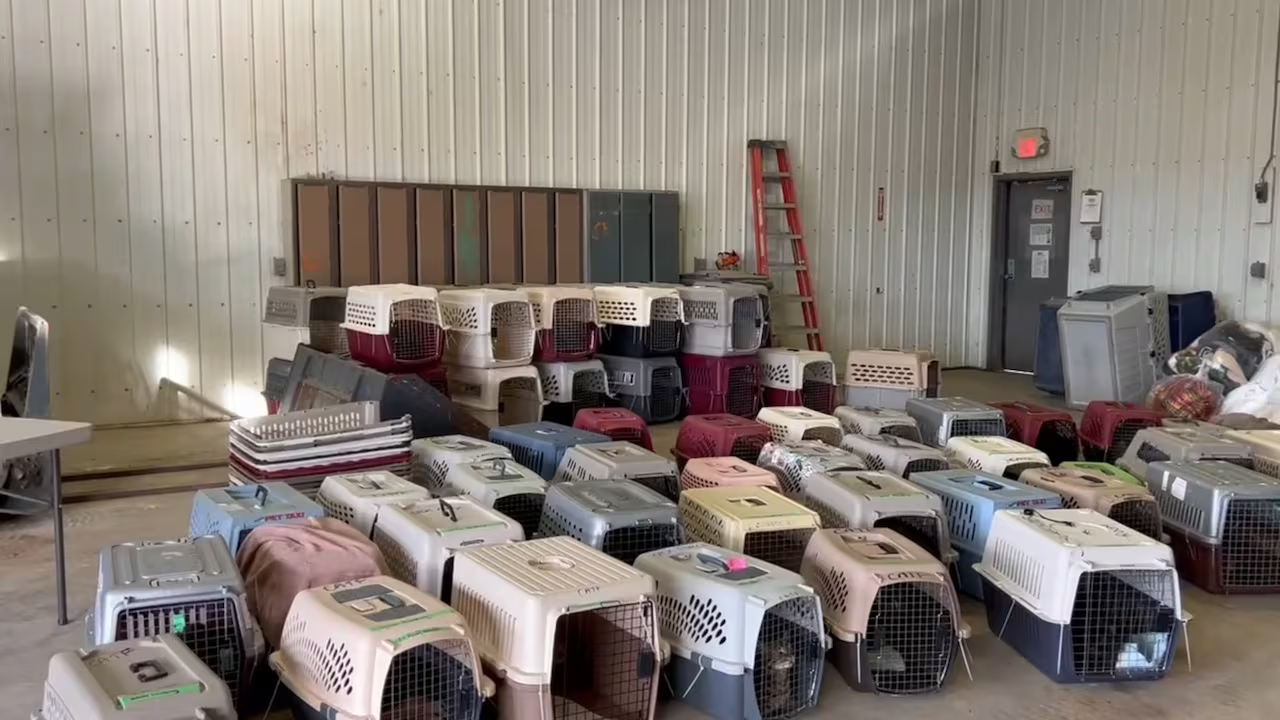
Canada’s animal rescue ecosystem is diverse, passionate, and often underfunded. Thousands of volunteers work tirelessly to save animals from abandonment, overcrowded municipal shelters, cruelty cases, and owner surrenders. Yet despite its importance, the rescue sector operates with very little regulation — creating both opportunity and risk.
This article breaks down how the ecosystem actually works, where the gaps are, and why accountability matters.
1. The Structure of Animal Welfare in Canada
Canada has no federal animal welfare act. Instead, the system is split between:
- Municipal animal services
Handling stray intake, by-laws, public safety, and basic sheltering. - Provincial animal welfare enforcement
Ontario uses PAWS inspectors; other provinces use SPCA or designated agencies. - Independent rescues (registered charities or informal groups)
Filling the gap between municipal shelters and long-term homes.
Because rescues operate independently, oversight varies dramatically.
2. The Role of Foster Networks
Most rescues in Canada do not operate physical buildings. Instead, they rely on:
- Volunteer foster homes
- Personal vehicles
- Private storage spaces
- Self-funded supplies
This creates flexibility, but also exposes the system to risk if:
- Foster numbers exceed capacity
- Medical protocols are unclear
- No documentation is kept
- Animals are moved without tracking
3. Funding Challenges
Canadian rescues rely heavily on:
- Donations
- Adoption fees
- Small fundraising events
- Volunteers covering expenses out-of-pocket
Without stable revenue, rescues often make decisions based on survival rather than strategy — leading to burnout and potential governance issues.
4. Lack of Regulatory Oversight
Unlike licensed shelters, rescues are not directly regulated in most provinces.
There is no requirement for:
- Medical standards
- Intake logs
- Adoption tracking
- Foster oversight
- Public financial transparency
This means rescues vary widely:
- Some are highly professional
- Some are informal hobby groups
- Some unintentionally create unsafe conditions
- A tiny minority misuse charitable status
5. The Pressure to Intake High-Needs Animals
Rescues often take:
- Injured animals
- Seniors
- Medical cases
- Behaviour cases
These cases require:
- Vet partnerships
- Funding
- Long-term fosters
- Detailed care plans
Without structure, rescues can fall into:
- Hoarding patterns
- Over-intake
- Burnout
- Poor animal outcomes
Conclusion
Canada’s animal rescue ecosystem is built on compassion — but compassion alone isn’t enough.
Oversight, financial transparency, medical standards, and volunteer support are essential for ethical rescue work. Strengthening these areas protects both animals and the people who care for them.
